★★★★★
“The stock drop was clear and easy to understand. I knew what was available and could reserve quickly.”
 FREE Shipping
Alkaline Peptides
 15% OFF for Military, Law Enforcement, and First Responders.
Start with 1 vial or save more with a larger supply.
Couldn't load pickup availability
✓ Quality Checked · 🔒 Secure Payment · 🇺🇸 Ships from U.S. by UPS

Complete the bundle
Add bacteriostatic water so your order is complete and ready for reconstitution.
Secure checkout with
Payment options are shown during checkout, and final-stock orders are followed up quickly after submission.

The GLP-1 receptor agonist that redefined metabolic research.
Semaglutide is a GLP-1 (glucagon-like peptide-1) receptor agonist — a modified analogue of a natural gut hormone. It is currently one of the most intensively studied molecules in metabolic science.
| Research area | What studies explore |
|---|---|
| GLP-1 receptor | Receptor activation and downstream cAMP signaling |
| Appetite centers | Hypothalamic satiety signaling in animal models |
| Glucose metabolism | Glucose-dependent insulin release in preclinical work |
| Energy balance | Food intake and body-weight changes in research settings |
1. GLP-1 receptor activation
2. Central appetite signaling
3. Slowed gastric emptying
👉 Think: turning down hunger signaling at the source, not suppressing it by force

| Specification | Detail |
|---|---|
| Vial size | Semaglutide research vial (see label for mg) |
| Form | Lyophilized (freeze-dried) powder |
| Storage | Cool, dry place away from light; refrigerate after reconstitution |
| Intended use | Laboratory research only — not for human consumption |
In research settings, Semaglutide is studied for:
This is NOT a weight-loss product — it is a research compound studied as a metabolic-signaling optimizer.
Metabolic research has one molecule everyone is talking about. This is it.
Secure GLP-1 Semaglu for your research program while stock lasts.
For laboratory research only. This product is not approved for human consumption, therapeutic use, or diagnostic applications. It has not been evaluated by the FDA and is not intended to diagnose, treat, cure, or prevent any disease. Nothing on this page is medical advice.
The GLP-1 receptor agonist that redefined metabolic research.
Semaglutide is a GLP-1 (glucagon-like peptide-1) receptor agonist — a modified analogue of a natural gut hormone. It is currently one of the most intensively studied molecules in metabolic science.
| Research area | What studies explore |
|---|---|
| GLP-1 receptor | Receptor activation and downstream cAMP signaling |
| Appetite centers | Hypothalamic satiety signaling in animal models |
| Glucose metabolism | Glucose-dependent insulin release in preclinical work |
| Energy balance | Food intake and body-weight changes in research settings |
1. GLP-1 receptor activation
2. Central appetite signaling
3. Slowed gastric emptying
👉 Think: turning down hunger signaling at the source, not suppressing it by force
| Specification | Detail |
|---|---|
| Vial size | Semaglutide research vial (see label for mg) |
| Form | Lyophilized (freeze-dried) powder |
| Storage | Cool, dry place away from light; refrigerate after reconstitution |
| Intended use | Laboratory research only — not for human consumption |
In research settings, Semaglutide is studied for:
This is NOT a weight-loss product — it is a research compound studied as a metabolic-signaling optimizer.
Metabolic research has one molecule everyone is talking about. This is it.
Secure GLP-1 Semaglu for your research program while stock lasts.
For laboratory research only. This product is not approved for human consumption, therapeutic use, or diagnostic applications. It has not been evaluated by the FDA and is not intended to diagnose, treat, cure, or prevent any disease. Nothing on this page is medical advice.
All vial peptides are supplied in lyophilized powder form for research purposes. Reconstitution / BAC Water requires bacteriostatic (BAC) water, and the amount used depends on the concentration required for your research protocol.
Before reconstitution, keep sealed vials cool, dry, and away from direct light. For longer-term storage, freezing is recommended to preserve stability.
After reconstitution, store refrigerated and use within 30 days for best stability.
This page is intended for buyers already familiar with peptide research products who want a fast, simple way to choose in-stock items and complete checkout quickly.
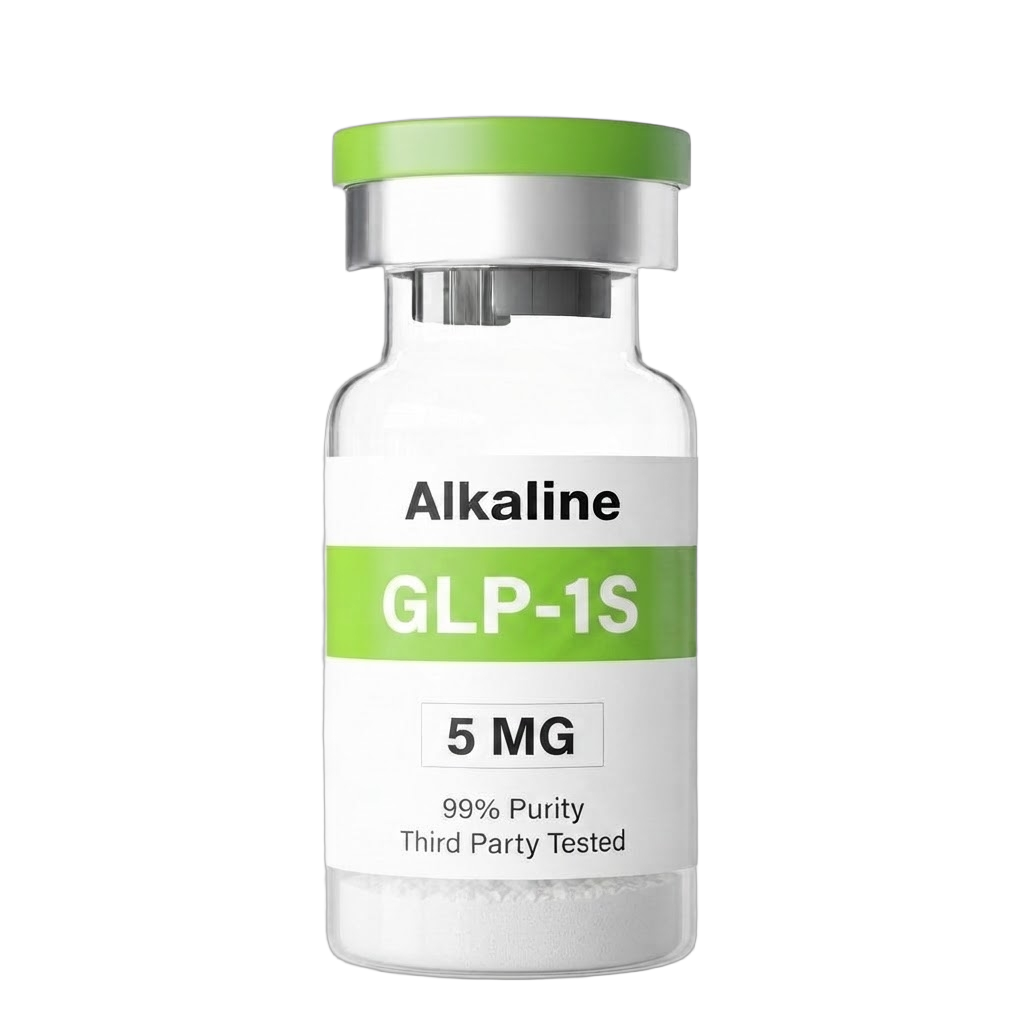

GLP-1 Semaglu
Buyer feedback focused on clear stock, fast follow-up, and a simple way to reserve current inventory.
“The stock drop was clear and easy to understand. I knew what was available and could reserve quickly.”
“The bundle option helped me build a more complete order instead of trying to piece everything together myself.”
“Fast follow-up, simple payment instructions, and the product page made the next step obvious.”
“I liked being able to choose the supply size and add the supporting items from the same page.”
“The current-stock layout made it much easier to decide quickly before inventory moved again.”
“Clean checkout flow, clear product details, and the manual payment follow-up was straightforward.”
NO RESTOCKS — EVER